
Navigating the Shopping Maze… 10 Tips to Get You Started
Supermarkets are great… and at the same time they can be awfully daunting places at times, especially if you don’t know how they work. They are booby trapped with products, specials and set-up to lure you in, let down your guard and designed with the intention of getting you to SHOP!
So why is this even worth talking about?
Well, the food you buy from the supermarket makes it into your home and into your and your loved ones bodies, it can be your greatest ally or your worst enemy. If you shop wisely, you can eat a wonderful nourishing diet of fresh easily accessible food, if you shop unconsciously, you could end up walking out with a well disguised loaded weapon that is going to do your body some serious damage.
The key to smart supermarket shopping is having a plan and remaining in the drivers seat as you navigate your purchasing decisions (you should be in conscious control of what you purchase, rather than under unconscious suggestion).
Here are 10 tips to get you started…
1. Don’t shop on an empty stomach
This would have to be the number one rule to smart supermarket shopping. If you’re hungry, you will get ‘hungry eyes’ and will start thinking everything looks good! You will be more tempted to add unnecessary quick high-energy foods to your cart such as potato chips and chocolate cookies. To avoid this, make sure you eat before you go or if it’s really unavoidable, drink some water and bring a small bag of nuts with you.
2. Stick to the outside lanes of the supermarket
Sticking to the outside lanes of the supermarket for the majority of your grocery haul is best as this is where most fruits, vegetables and grains are kept. These lanes are best for fresh produce and should make up the bulk of your cart. Most of the products in the inside ‘temptation lanes’ are processed foods, and while we may need items from here occasionally, filling your cart with the staples before taking on these lanes will ensure you have a healthier pantry at home.
3. Always take a well-prepared shopping list
Find some time before you shop to sit down and analyse what you have in stock and what you need to replenish. Planning your weekly meals is also a great activity to do when you’re writing your list. To make sure you never forget anything on your list, have a new list on the fridge where you can write things down that run out. Remember, your supermarket- as convenient and handy as it is- is designed to distract you to impulse shop and spend more money while you are there- so stick to your list! Writing a list before you shop is a great way to practice “shelf-control”. Are you able to go in and let your list guide you, or will you be swept away by the temptation of what’s on the shelves? After all, remember you are in a different headspace and in more control when you write your shopping list to when you are navigating the supermarket maze, so having a good list acts like a guide directing you step by step, but without a list you can easily be lured into a whole different agenda and unintentional spend.
4. Be aware of marketing cues
Beware of ‘specials’ and ‘coupons’. If the items are not on your list, then you’re not really saving money in purchasing them. The same goes for coupons – only use them for items you were already planning to buy. Also keep in mind that numericals can make us buy more (e.g. 3 for the price of 1).(1) The reality is that you probably don’t really need 3 of that item, so best to just practice “shelf-control” and ignore it all together. If you end up buying more then you will be more likely to eat more of it when you don’t need to. A good tip for this is to check the 100g price and see if it matches up. You might even notice that sometimes it isn’t cheaper to buy more, I certainly have.
5. Don’t buy junk food in bulk
The key thing to remember is that it’s not actually cheaper to buy in bulk if you don’t need it or don’t use it. In fact, five studies with 691 adults across 48 product categories show that people pour more out of larger packets. Larger packet sizes also increased consumption by an average of 22%. So keep that in mind next time you’re tempted! (1)
6. Go for a weekly Shop and avoid impulse ‘one item’ trips
We all know that a ‘one item’ trip to the supermarket never really ends up that way. We might come out with a couple of things that we ‘need’ or maybe even a whole cart full! To avoid this, plan a day that you have free that can be your shopping day. Plan a weekly menu ahead of time and go with a list – and stick to that list! If you still find yourself running out to the supermarket during the week perhaps you need to put more thought and planning into your weekly list.
7. Shop during slow times
Avoid shopping right after 5pm, on paydays and on major holidays. It’s hard to remain focused on what you need when it’s too crowded to even move. Try saving your shopping trip for during lunch-times, working hours or late at night (but make sure you’ve had dinner first!).
8. Read labels
Knowing what’s in your food is important to becoming in control of your health and eating. Nasties to look out for include trans fats, hydrogenated oils, preservatives, added sugar, corn syrup, added fructose, artificial sweeteners and additives and high amounts of sodium (over 300mg/100g). The ingredients list will show items in order of quantity, so you want the first few items to be ‘real foods’ to ensure they make up the bulk of your product.
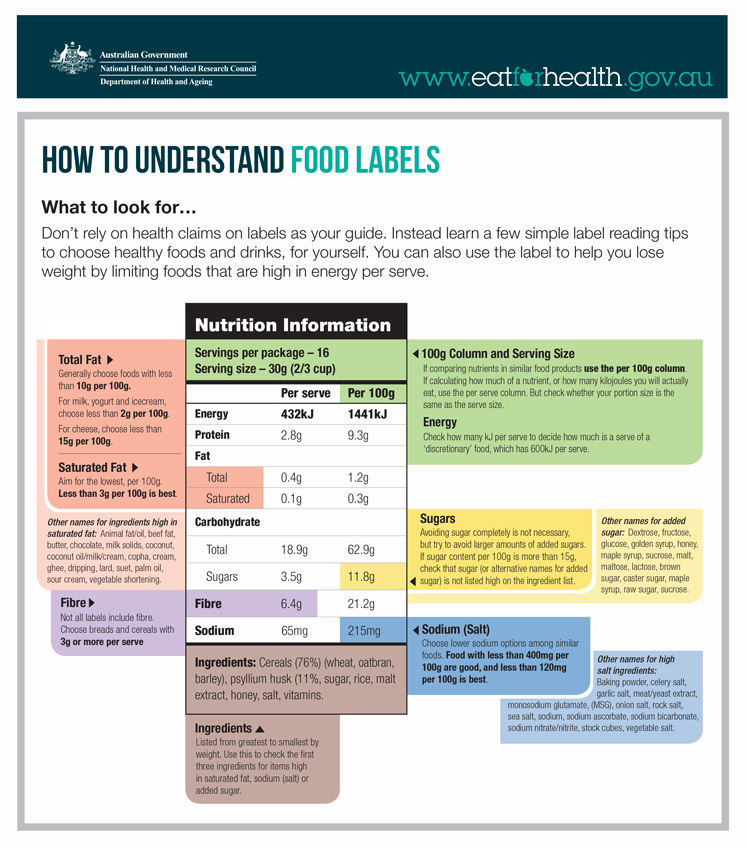
9. Avoid ‘ready meals’
These ready meals available in the frozen section of the supermarket are usually highly processed, full of sodium and are hardly nutritious. If you are after convenient, already-prepared meals then check out Healthy Meals To Your Door which is run by Size Fantastic. All meals are created by a nutritionist and are healthy, nutritious and delicious.
www.healthymealstoyourdoor.com.au
10. Have a budget in mind
If you don’t have a budget, you will most certainly spend too much. Look at your finances and see how much you have for your weekly groceries. This amount can vary family to family, but the average Australian family spends around $150-$200 a week on food. Then be sure that you make your food choices count. If you spend most of your weekly budget on high nutrient foods, you will get the greatest bang for your buck in terms of health. Remember when it comes to nutrition quality counts over quantity. Even if it feels like healthier food is more expensive, this is simply a clever marketing smokescreen you have been led to believe and not the truth.
Source:
1. B. Wansink, Cornell University Food and Brand Lab
2. Food Lable image source: www.eatforhealth.gov.au
Spread the Word to get this healthy message out! Like or share this page with your friends on your fave social media platform!


