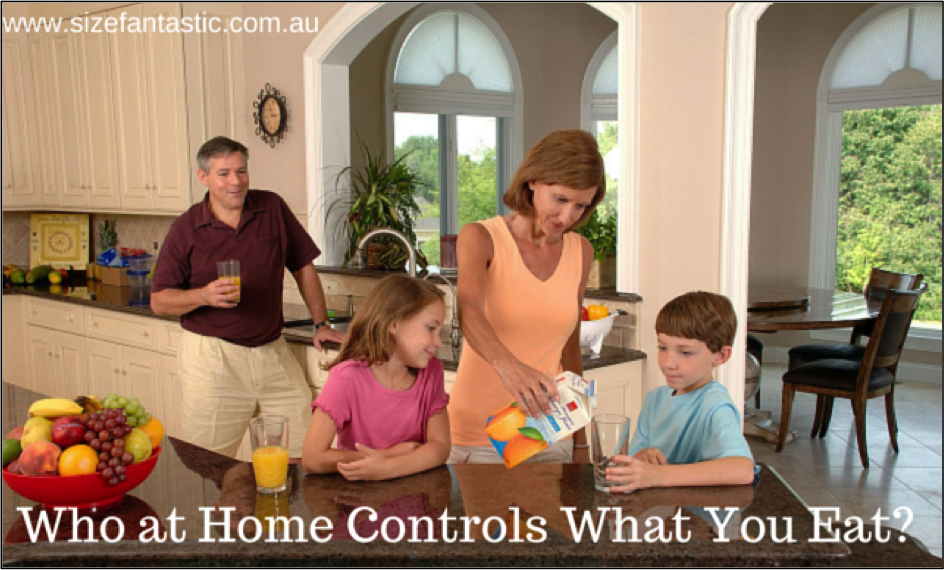
 Did you know that the person who does most of the food shopping and cooking in the household controls up to 72% of the food decisions of their children and spouse?(1)
Who is this person in your household? It may be your mum, dad, your spouse or it may even be you! Whoever it may be, this person is known as the “nutritional gatekeeper”. The nutritional gatekeeper typically makes most of the purchasing and cooking/preparation decisions related to food and therefore, they are known to have the biggest food influence on their other household/family members. Although it may not always be obvious, the nutritional gatekeeper hugely controls what everyone in the house eats, their eating habits, attitudes toward food and even their weight.
So since the nutritional gatekeeper has such a large influence on the health and eating habits of their families, what should this person know in order to be able to ensure their family has healthful dietary patterns and positive attitudes toward food?
First, they should establish what kind of a cook they are. Are they good at cooking? If they are, then chances are they are influencing their families eating habits even more (2). Whether they positively or negatively influence depends on the type of cook they are. “Good Cooks” seem to have more influence. A study of 317 good cooks found that there are five categories of “good” cooks (2):
1. The Giving Cooks
2. The Healthy Cooks
3. The Innovative Cooks
4. The Methodical Cooks
5. The Competitive Cooks
What type of cook do you think your nutritional gatekeeper is? Or, what type of cook do you think you are?
The study found that four of the five good cooks will influence their families in a positive way with the exception of the ‘Giving Cook’ (2). Unfortunately, this type of cook is most common in our society. ‘Giving Cooks’ usually want to always spoil and satisfy their loved ones and usually love to do this by making lots of high-carb desserts and baked treats. While it may seem great to have this type of cook in your household, it’s not always good to have these types of high-calorie sweets around the house all the time. After all we are more inclined to eat cookies, cupcakes and cakes if they are there, and less so if they are not!
So, you may be wondering what can the nutritional gatekeeper to do ensure the best nutritional health of their family? Aside from becoming a “good cook”, one of the best things they can do is to add more variety to their meals (3). Variety makes eating more pleasurable and can lead to family members expanding their tastes beyond fat, sugar and salty foods (3).
Here are five ways to add more variety:
1. Buy different foods from the supermarket that you don’t usually buy. (Most people buy the same core ingredients each week. Mix up your vegetables a bit, alternate your weekly menu.)
2. Try new and interesting recipes. (Challenge yourself to try a new recipe every fortnight, maybe even get other family members involved.
3. Substitute different ingredients (e.g. use herbs, different salad greens, different vegetables, add spices)
4. Take your children to the grocery store and get them to choose a new healthy food to try. (You could also get them involved in dinner construction and choices.)
5. Eat at an ethnic restaurant. (This will allow you to try new foods and will expand your tastebuds, for example, try Mexican or Thai or Indian instead of the usual Italian.)(3)
What are three other things you can do to positively influence the way your children respond to food?
1. To attract children to new foods, be friendly and positive when presenting the food. You would be amazed at how the expression on your face and your attitude towards food can seemingly influence the taste and experience of food and meal times. Smiles and friendliness can enhance the positive experience of trying different foods, even bitter ones!(3)
2. Give healthy food fun and interesting names. (e.g. ‘Dinosaur trees’ for broccoli, ‘jungle stew’ for soup, and ‘power peas’ for peas. The more we can positively pair healthy foods with healthy associations the more likely eating healthy foods will become a norm.) (3)
3. Be aware that your attitude toward food has a huge influence on your children. For example, a mum who is always anxious about her weight and food in front of her kids will increase the likelihood that her kids will pick up on this anxiety and other food obsessions and may even model it themselves. They often pick this up sub-consciously. To avoid this, try to model calm and healthy eating habits in front of children, eat meals together as a family and let them see you enjoying eating healthy food. (3)
Model moderation too. It is also O.K. to let your children see you enjoying food that is not so healthy, especially if you can model this wisely. For example, eating a small serve of ice cream with fresh strawberries for dessert at a dinner party, and enjoying it is perfectly healthy to do and easy to observe. This is preferable to dishing up a large heaped portion of chocolate cake, ice cream and trifle and complaining “I shouldn’t be eating this” while continuing to eat it or exclaiming “I shouldn’t have eaten that” after eating it and making a throw away remark about needing to go on a diet “tomorrow”. The in-congruency in these is hard for children and others to watch, compute and understand, and may contribute to disordered eating or anxiety around food, for you and others.
Hopefully this was helpful to you and you can take some tips on for yourself or even let your nutritional gatekeeper know about them too!
We love hearing from you, please contact us if you have questions or need any nutrition support.
References:
[1] Dube, L., LeBel, J., & Lu, J. (2005). Affect asymmetry and comfort food consumption. Physiol Behav, 86(4).
[2] Garg, N., Wansink, B., & Inman, J. (2007). Journal of Marketing, 71(1): 194-206.
[3] Wansink, B. (2006). Why we eat more than we think: mindless eating. New York: Bantam Dell.
Spread the Word to get this healthy message out! Like or share this page with your friends on your fave social media platform!


