Chances are that you have come across the trend that is ‘clean eating’. You could open any health magazine or browse any lifestyle site and you would see the term pop up numerous times. But what actually is clean eating and how does it work?
Well, it turns out that clean eating is actually much simpler than you might have thought. Just eat real food (JERF). It isn’t about going on a diet or counting calories. Basically clean eating involves eating real foods that are high in nutrients (e.g. vitamins, minerals and omega fats) and low in anti-nutrients (e.g. toxins, preservatives, trans-fats, free radicals, and baddatives!).
Probably one of the best summations is:
“Eat food. Not too much. Mostly plants.” Michael Pollan
It is quite a bit different to some other popular diet trends in that it does not involve decreasing or increasing your intake of calories or certain macro-nutrients (fat, protein or carbohydrate).
Rather, it requires more mindful thinking about the types of foods that we are eating and how the food got from the environment onto the plate. If the food resembles its original form, and it hasn’t been processed it’s probably a clean food. The foods that you would see on a clean eating diet would be as close to their natural state as possible, without being refined or processed too much. Essentially, research shows us that real food is typically healthier than highly processed and junk food. In addition to clean eating being better for our bodies, it may also be better for our environment. Because clean eating involves pausing before shopping or eating, it would fit into the practice of mindful eating, therefore it should probably be named a way of eating and not a ‘diet’.
When someone starts to eat cleaner more natural foods and starts to also eat more mindfully they will often notice health benefits and shift unwanted excess weight. However just eating clean foods while being a great start, might not be enough for weight loss and health. It is important that you eat a variety of healthy nutrient dense foods to reach full nutrition potential and benefit. (Why is this important? Deciding you were going to live on a “clean diet” of kale and bananas would certainly qualify as clean eating, but would not necessarily be holistic enough to be healthy. You could become deficient in certain nutrients, and you might get pretty bored).
Does clean eating guarantee weight loss? Excess is excess, even eating too much clean food, could still result in weight gain… Overeating is still possible, albeit much less likely for a number of reasons which I will explore further in future posts, but they involve sensory specific satiety, cellular nutrition and satiety cues that usually depress urges to overeat and usually inhibit cravings when clean foods make up the majority of a healthy balanced diet. However let’s say you permitted yourself to indulge in large daily smoothies made with “pineapple, coconut cream, dates, and apples” believing they were going to help you lose weight because they are “clean” and therefore “healthy”, you may be misleading yourself. You would still need to consider the properties and the nature of the food without getting carried away with a misleading label that gives you the “all clear”.
Is “clean eating” in danger of becoming just another fad? There is a real risk of terminology being misrepresented and for a term to be picked up, banded around and misinterpreted. For example a “said fad diet” being labelled as “Clean eating” or “Clean eating” while excluding certain food groups (including foods that may be considered as otherwise clean but aren’t permitted on “said diet”). Clean eating mistakenly becomes associated with the fad when someone’s interpretation of it is faulty, and a diet or way of eating is labelled “clean” when it really isn’t.
A good example of this is when the Paleo diet is called “clean eating” but really, who would call bacon a clean food? Remember to look out for foods that are highly processed and refined. Most bacon is processed and often it contains a mix of different harmful additives and preservatives. Could the majority of the foods in a Paleo diet be considered as “clean foods”, possibly yes, it would depend on the foods. It is important that generalisations are not made that accidentally blanket a fad into a way of eating. Vegetables, fruit, organic meat could all be considered clean foods and they certainly are included in the Paleo diet, but that doesn’t make everything labelled “Paleo” healthy. If you live on a daily diet of bacon and pineapple smoothies believing that you will lose weight and be healthy, you may have been misled at some point. Paleo is not synonymous with clean and clean is not synonymous with healthy.
We do nutrition a disservice when we try to oversimplify it thoughtlessly. Eating to nourish can be simplified but in doing so we need to maintain its integrity.
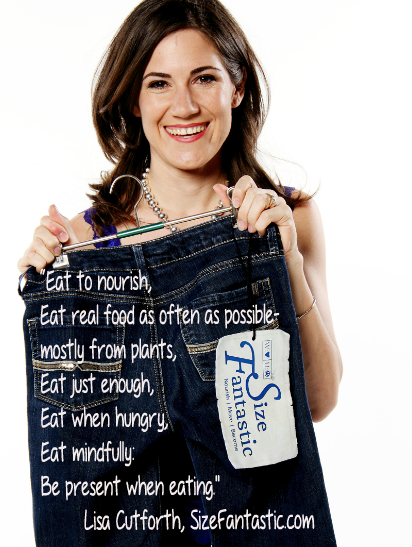
So, to sum up, remember the aim of the game with nutrition is “nourishment” (getting life sustaining nutrients from food.) Therefore nutrition (and the practice of clean eating if following these key principles) can probably be summed up into a few key guidelines:
- “Eat to nourish”,
- “Eat real food as often as possible, mostly from plants”,
- “Eat just enough”,
- “Eat when you are hungry” and
- “Eat mindfully” (i.e. be fully present when you are eating).
If you’re interested in eating more natural clean foods and don’t know where to begin, remember these important terms/properties:
organic, vegetable, nutrient-rich, from plants, moderate amounts of organic meat, fresh line caught ocean fish, unprocessed, raw, real food, whole food, fresh fruit, cold pressed oils, unhydrogenated
The terms and words associated with “unclean” foods include:
Fried food, processed food, sugary food, salty foods, fatty foods, preservatives, additives, E-numbers, trans fats, high fructose corn syrup, glucose syrup, cane sugar, fillers, binders, caramelised, nitrites, hydrogenated
Something to remember:
Clean eating should avoid processed/refined foods most of the time and shouldn’t be restrictive on the foods that Mother Nature has provided for us, and food should be enjoyed mindfully.
Happy eating!
Spread the Word to get this healthy message out! Like or share this page with your friends on your fave social media platform!


