 Beauty and Self Esteem:
Beautiful: adjective
1.having beauty; possessing qualities that give great pleasure or satisfaction to see, hear, think about, etc.; delighting the senses or mind:
a beautiful dress; a beautiful speech.
2. excellent of its kind:
a beautiful putt on the seventh hole; The chef served us a beautiful roast of beef.
3.wonderful; very pleasing or satisfying. (1)
I once had a conversation with a lady running workshops for young girls. She wanted to help boost their self esteem. She certainly got my attention when she declared war on the word, beautiful. “I mean what is beauty anyway?” She remarked passionately, “it’s what’s inside that counts”.
Her heart was certainly in the right place, and she felt compassion for what she referred to various stereotypes of beauty and ugliness. Knowing just how damaging those stereotypes can be, first hand, to a young girls self concept and self esteem, I paused before I answered. How do we protect our children against stereotypes? I wasn’t sure if I had the answer to that, but I was pretty sure that teaching them that “beauty doesn’t matter” was probably the wrong approach and certainly misleading.
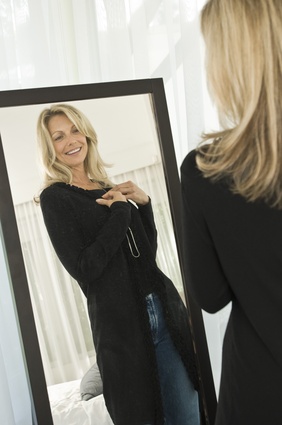
You see, beauty is everywhere, and beauty does matter, whether we like it or not, and whether we want it to or not. The good thing about beauty is it is not black and white or easily defined, and we don’t have to be scared of it. And if we can learn to accept and see the beauty in ourselves and the beauty in others, instead of feeling insecure about it, or in competition with it, it can be a beautiful thing.
I love it when I “feel beautiful”. In that moment, it doesn’t matter to me if the whole world thinks I am the most beautiful creature ever to exist or not. Beauty can be a feeling (when someone comments on your beauty you can feel accepted or cherished), it is purely subjective, but we can mistakenly allow it to be the most important form of feedback or appreciation. “Feeling beautiful” can matter when we feel cherished by the object of our affection, and be repulsive if it means unwanted attention. And I need to learn to “drive that bus” rather than give away the control of who determines whether I feel beautiful or not.
Admittedly it is disturbing how much research out there implies that people will judge others on physical appearance. But, that doesn’t really have that much to do with beauty. It’s probably more about self care, and self expression and self esteem and prejudices.
When I was a little girl I asked my mom if I was pretty or beautiful (I can’t remember which word I used). My mother said something like, “No… but you are attractive.” I suppose she was trying to be honest with me and manage my expectations. Fortunately I was a confident, self assured child, and I tried not to make that mean anything. Instead I got on with making the most of “my lot”, and being “beautiful on the inside”. I remember when I finished school and started to get lots of attention from men who said I was beautiful, being flattered and somewhat surprised, even suspicious!
So after reflecting for a while I realized that there are a few things about physical appearance, and specifically “beauty” I would have benefited from hearing I was younger.
What I now know about beauty, people and self esteem is as follows.
1. Beauty is subjective.
Sure, there seems to be a scientific formula that exists in nature, and when it appears, most agree, the object is “beautiful”. And at the same time, it’s certainly possible for two things or people to stand side by side that look completely different, to both be perceived as beautiful.
You would certainly have heard the cliché “Beauty is in the eye of the beholder”.
I haven’t always shared my mother’s or a friends’ taste in dresses, handbags, shoes, jewelry or men (and not necessarily in that order). Their taste told them something was beautiful or someone was attractive, while mine told me I preferred something else.
Different physical and personality traits make people beautiful or attractive to other people for different reasons (often complex and subconscious).
Physical attractiveness may have many benefits but it doesn’t guarantee happiness or a mate. And it also doesn’t ensure good self esteem.
I say all this to say. Beauty is subjective and can be used to describe many different people, things and creatures. This does not mean it does matter, or it should be feared or ignored or destroyed. So the value that “beauty” adds or the “increased worth” attributed to a person or a thing is only as valuable as an individual’s perception of it and this will differ substantially amongst groups.
One needs to learn to see and accept the beauty in oneself. It is in everyone and everything in different ways, when you look for it.
Society teaches us about beauty, so we need to find ways to be secure in our own beauty so we don’t feel threatened by beauty outside of ourselves.
2. Beauty and Self Esteem are not synonymous
I have known very beautiful, very insecure people. Self esteem has very little to do with beauty and a whole lot to do with perceived “self worth” or being self assured. Having a sense or belief that you have worth, place, rights and purpose. Self esteem is a quiet confidence that comes from being loved, and extending love.
Christianity teaches you are important and worthy because you are a child and creation of God. Buddhism teaches that all creatures (man and beast) are worthy of life and respect.
Society does not teach us this, so it is any wonder that many people struggle with low self esteem or a low sense of self worth.
In an attempt to encourage us or stretch us to play our best game or be the best we can be, society will teach us that “efforts” or “attributes” or “accomplishments” make some more notable or noteworthy than others.
This programming begins from a very young age. Parents might praise achievements or behavior, children might receive compliments for their physical attributes or be teased for others. Usually everyone gets a range of both positive and negative feedback through their lives. What seems to matter is the meaning one attaches to this feedback, and how satisfied they feel with their ability to influence their own lives and “lot”.
3. Your Self Concept is your identity
Your self concept is how you see yourself, it is distinct from self esteem. Sometimes they go hand in hand, not always. Self esteem is the “evaluative” component of your self concept – it is the part where you make judgements about your “self worth”. Unfortunately many people attempt to evaluate their “self worth” by comparing themselves to others. Be weary of stereotypes and trying to compare yourself with others, particularly if you are likely to inflate your “flaws” and undervalue your “attributes”.
It is believed the self concept is comprised of self esteem, self efficacy and stability.
Self efficacy or “self confidence” relates to how you see your abilities, how “capable” you feel. It is particularly used in relation to your perceived abilities, unlike self esteem.
The degree of fragility of your self concept says a lot about the strength of your esteem and confidence in your abilities. Stability refers to how your self concept is organized and how stable it is. What is it dependent on? Has it changed since you were younger? Is it in constant flux, is it relatively stable? A good way to tell is: “How easily can a trivial event drastically affect you?”
4. Beauty can be a burden (but it doesn’t have to be).
Amongst general society, especially if fashion magazines are anything to go by, there is this assumption that everyone wants to be beautiful and sexy and attractive to the opposite sex.
Contrary to popular belief, not everyone wants the attention that “beauty” or attractiveness comes with. For some people being attractive makes them feel vulnerable or uncomfortable. In fact, any attention given to their physical appearance is threatening, they would far rather they were “invisible”. This often has to do with an experience they have had that left them feeling vulnerable or powerless and they’ve associated it with the way they look. These feelings can be brought on by either serious or seemingly insignificant events, often in childhood.
For example: Perhaps you were taken advantage of or you got the wrong kind of sexual attention too early because you were an early developer or someone you found unattractive or superior to you made inappropriate advances and you didn’t know how to deal with it, maybe you were sexually abused. Somewhere subconsciously you came up with a solution to the problem. Maybe you decided if you were less attractive or bigger you wouldn’t have to deal with this attention or be taken advantage of.
Sometimes it can be something some says, or what someone did that made you feel like you should feel ashamed about looking good or making yourself look good, or that looking and feeling good about yourself is not important..
Whatever it was, at some point, when that happened you probably made some subconscious decision to protect yourself or you came up with a belief.
And while the reason for your decision or belief was to protect you, and while it may have been relevant, important or even necessary to hold that as true then as it may have served you.
Here’s the thing: you don’t have to “self harm” to “self protect”. There are ways to learn to carry your beauty and assert yourself in a way that can keep you safe, especially if you are an adult. (When we are children, it’s true there are times when we are powerless, but as adults, we have much more control over our environment and ourselves, sometimes this requires access to the right skills and support.)
Some people aren’t trying to hide away from being beautiful; they just don’t believe that they are. It is normal to feel a little insecure or dissatisfied with some of your body, but it is important to address and identify false concepts and body image concerns.
As an adult you can learn “how to be beautiful”, be assertive, stand up for yourself, feel respected and be protected and safe no matter what you look like.
5. The powerful unmentioned component of self esteem: Assertiveness
Assertiveness is key to a strong self esteem. You need to know how to manage what you’ve got and ask for what you need. You need to be able to say no, when you want to or need to. You need to be able to mean it when you say it and for others to respect it. You need to be able to ask for what you need in a way that you are taken seriously.
Melanie
When I asked Melanie if there could be any benefit to being overweight, she sighed and leaned back in the chair.
Melanie had lost interest in sex since having two children. She didn’t feel “sexy”, she felt tired, and she felt preoccupied. She started to find “that sort of” attention from her husband burdening and tiresome. She didn’t feel like she wanted to say no or upset her husband. She found herself thinking, “Maybe if I am overweight he will find me less attractive and leave me alone.”
Jean
When I asked Jean if she thought there could be a reason every time she got to a certain weight she would go into relapse, she nodded.
Jean was sexually abused as a child, her abuser used to say, “Come here little girl.” Julie, a beautiful woman, found that she felt “safer being bigger”. Her excess weight created a protective barrier around her, and she found that as soon as she started to loose weight and people started to notice or commented, she felt really uncomfortable and she seemed to go right back to where she started.
Jean and Melanie did not have “beauty issues” they have a low self concept. Improving skills in assertiveness, learning their worth and their value and helping them to feel safer would be much more useful to them than telling them either “beauty doesn’t matter” or “you are lucky you are so beautiful”.
Reference:
(1) Online Dictionary: http://dictionary.reference.com/browse/beautiful
Spread the Word to get this healthy message out! Like or share this page with your friends on your fave social media platform!


