Superfoods and Food as Medicine
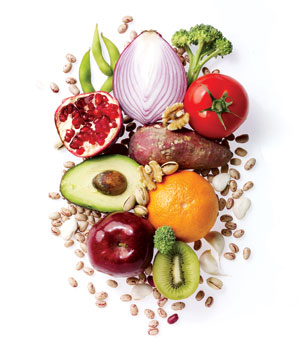
Everyday Superfoods | Food as Medicine | www.sizefantastic.com
Imagine a world where there are certain foods (not drugs or pharmaceuticals) that can be more powerful than medicine. Where these foods have been provided to us by the natural environment we live in. Where these foods are so nutrient-dense that they can prevent against certain cancers, improve cholesterol, and improve your mental health. And without any side effects! It sounds like the perfect world to live in right?
Well guess what – you’re living in it. And these “superfoods” are available to purchase in your local supermarket.
Below are some of the superfoods that you should definitely take a peek at next time you’re at the grocery store.
1. Broccoli
Broccoli contains many nutrients beneficial for health. These include vitamins A, B and C, fibre, iron and calcium. It also contains folate which is essential for expecting mothers. Broccoli belongs to the family of cruciferous vegetables, a group of vegetables that contain compounds that can improve the body’s ability to slow the growth of cancer cells [1]. In addition, broccoli has been linked to the prevention of osteoarthritis and skin cancer [2]. The best way to cook broccoli is to steam it. This is to ensure that the nutrients stay intact and do not get lost as they would during boiling or microwaving. During steaming, the fibre-related compounds in the broccoli are activated and can do great things for lowering your cholesterol [3]. To steam broccoli, simply cut it into quarters and steam for 5 minutes.
2. Blueberries
High in vitamins K and C, antioxidants and fibre, blueberries pack a powerful nutritional punch. They are mostly well known for their high content of antioxidants, which aid in the prevention of cancers. To date, studies have found that the consumption of blueberries (3+ servings a week) is linked to improved memory and heart health [4]. Also low in calories, they are a great choice of fruit and can be easily added on top of cereal or eaten as a snack.
3. Quinoa
Quinoa, pronounced “Keen-wah” has quickly become one of the trendiest grains on the market, and it’s no surprise why. This grain is a complete protein, which means it contains all of the amino acids needed to create essential proteins in the body. This makes it a great protein source for not only vegetarians and vegans but for the general population as well, given that most other grains lack some important amino acids. In addition, quinoa is a great source of heart healthy fats (monounsaturated and omega-3 fatty acids). One study even found that quinoa is more satisfying and better at improving appetite control than wheat or rice [5]. To cook, add one part quinoa to two parts water in a saucepan and cook for about 15 minutes.
4. Kale
Just like broccoli, kale is a member of the cruciferous family. It is extremely high in vitamin K, and a great source of vitamins A & C, manganese, fibre, calcium and iron. In fact, kale actually has more iron than beef on a per-calorie basis. It also contains different compounds that have been found to be linked to cancer (in particular colon cancer) and a healthy immune system [6]. Its high carotenoid content also makes it a great food to eat for eye protection and many studies have shown how a diet high in kale can reduce the incidence of cataracts [7]. Similar to broccoli, steaming for five minutes is the best way to prepare kale to avoid nutrient loss. For a healthy snack idea, kale chips are a delicious and satisfying treat. You can find a recipe for them here: http://www.taste.com.au/recipes/35306/dukkah+and+lemon+salt+kale+chips?ref=collections%2chealthy-snack-recipes
5. Avocado
Definitely do not be afraid of the avocado! The avocado is a landmine of essential healthy fats and nutrients (vitamin E, oleic acid, lutein and monounsaturated fats) which protect against cancer, heart disease and brain diseases. Its healthy fats are also great for promoting glowing, youthful skin. Try adding half an avocado to a banana smoothie or alongside an omelette – it’s creamy, refreshing taste will leave no regrets.
6. Seaweed
I bet you have never thought of munching on some seaweed unless if it’s wrapped around a sushi roll. But it’s time for a change – seaweed is full of antioxidants and most importantly, iodine. Iodine is most essential for our thyroid gland. Without iodine, we would always be tired with aching muscles and eventually it would lead to serious health conditions including memory loss and swelling of the thyroid gland. A major source of iodine in today’s diet is iodine-fortified table salt. If you think you’re not using the salt shaker much or you eat out a lot, try picking up some seaweed at your local health store. Your thyroid will thank you.
7. Shiitake Mushrooms
The flavour of these mushrooms can scare some, but their nutrient content should not. This Japanese vegetable is loaded with B-vitamins, fibre, amino acids and vitamin D. Eritadenine is a compound found in these mushrooms and has been proven to be beneficial in lowering cholesterol [8]. You don’t need to shop somewhere special for these either; your local supermarket will stock them and usually at a higher price than normal mushrooms but the extra few dollars will all be going toward the extra nutrients.
8. Turmeric
Turmeric has long been used in traditional Indian medicine as a healing spice for aches, inflammation and arthritis. It contains an active ingredient called curcumin, which is thought to aid in pain and swelling. Although further studies on this are yet to be done, adding spices to meals is always a better alternative to lots of oil and salt. Try shaking some turmeric into a curry or a chicken tangine for some extra flavour.
9. Garlic
Garlic is high in vitamin C and B6, manganese, selenium and antioxidants. A high quality study in 2009 showed that the consumption of garlic resulted in reductions in cholesterol levels [9]. The current evidence around garlic and cancer is mixed however with virtually no calories, a high flavour note and an abundance of nutrients, garlic is a kitchen staple.
10. Cinnamon
This spice has been valued for years and years. It had done well for itself, slowly moving its way up from a household spice to a potential medicine. One study found that a topical ointment containing cinnamon was helpful in fighting the flu [10]. Studies are continuing to be done looking at the links between cinnamon, diabetes and cancer. Sprinkle it on banana toast, add it to a smoothie or use it a savoury dish (I like to use it in vegetarian chilli). It’s great tasting and great for you.
Try and see if you can add some of these foods into your diet on a daily basis, and live by the term first coined by Hippocrates – “Food is Medicine”.
References:
[1] Higdon, J. (2015). Cruciferous vegetables and cancer risk. Retrieved from http://lpi.oregonstate.edu/ss06/vegetables.html
[2] MNT Knowledge Centre. (2014). What are the health benefits of broccoli? Retrieved from http://www.medicalnewstoday.com/articles/266765.php
[3] The George Mateljan Foundation. (2015). Broccoli. Retrieved from http://www.whfoods.com/genpage.php?tname=foodspice&dbid=9
[4] Cassidy et al. (2013). High anthocyanin intake is associated with a reduced risk of myocardial infarction in young and middle-aged women. Circulation, 127(2): 188-96. Retrieved from http://www.ncbi.nlm.nih.gov/pubmed/23319811
[5] Berti, C., Riso, P., Brusamolino, A., & Porrini, M. (2005). Effect on appetite control of minor cereal and pseudocereal products. British Journal of Nutrition, 94(5): 850-8. Retrieved from http://www.ncbi.nlm.nih.gov/pubmed/16277791
[6] Xiao, D., Pinto, JT., Gundersen, GG., & Weinstein IB. (2005). Effects of a series of organosulfur compounds on mitotic arrest and induction of apoptosis in colon cancer cells. Mol Cancer Ther, 4(9):1388-98.
[7] Chasan-Taber, L., Willett, WC., Seddon, JM et al. (1999). A prospective study of carotenoid and vitamin A intakes and risk of cataract extraction in US women. Am J Clin Nutr, 70(4):509-16.
[8] Fukishima et al. (2001). Cholesterol-Lowering Effects of Maitake (Grifola frondosa) Fiber, Shiitake (Lentinus edodes) Fiber, and Enokitake (Flammulina velutipes) Fiber in Rats. Exp Biol Med, 226(8): 758-765. Retrieved from http://ebm.sagepub.com/content/226/8/758.short
[9] Reinhart, K. (2009). The impact of garlic on lipid parameters: a systematic review and meta-analysis. Nutr Res Rev, 22(1): 39-48. Retrieved from http://www.ncbi.nlm.nih.gov/pubmed/19555517
[10] Nabeshima et al. (2012). A randomized, controlled trial comparing traditional herbal medicine and neuraminidase inhibitors in the treatment of seasonal influenza. J Infect Chemother, 18(4): 534- 43. Retrieved from http://www.ncbi.nlm.nih.gov/pubmed/22350323
Spread the Word to get this healthy message out! Like or share this page with your friends on your fave social media platform!


